
Legal counsel plays a critical role in managing cybersecurity incidents, especially in sectors like healthcare, where regulations are complex. Their involvement ensures that legal risks are mitigated, evidence is preserved, and compliance with laws such as HIPAA and GDPR is maintained. Key responsibilities include:
- Immediate Response: Legal counsel should be engaged within eight hours of incident discovery to secure attorney-client privilege and guide actions like forensic investigations.
- Preserving Privilege: Structuring investigations under legal agreements ensures findings are protected and not used against the organization in litigation.
- Regulatory Compliance: They navigate notification deadlines (e.g., GDPR's 72 hours, HIPAA's 60 days) and craft legally sound communications for stakeholders.
- Incident Coordination: Legal teams align technical, forensic, and executive responses, ensuring actions align with legal protections and strategies.
- Post-Incident Actions: Counsel manages regulatory inquiries, prepares for potential lawsuits, and refines policies to reduce future risks.
With over 700 annual healthcare breaches reported in recent years, legal counsel ensures organizations are prepared to handle the legal and regulatory fallout effectively. Early involvement can save time, reduce costs, and improve outcomes during a crisis.
Important court decision on legal privilege in cyber incident response
sbb-itb-535baee
Legal Counsel's First Actions During a Cybersecurity Incident
When a cybersecurity incident occurs, the clock starts ticking. Engaging legal counsel immediately is crucial to guide the response, protect sensitive findings, and reduce legal risks. Decisions made in the first hours can determine whether forensic reports remain protected under attorney-client privilege or become evidence in future litigation.
When to Involve Legal Counsel After Incident Discovery
Legal counsel should be brought in within eight hours of detecting an incident [6]. This ensures privilege protections are secured and regulatory deadlines are met.
"The first legal decision isn't about notification timelines, it's about privilege."
– Aeren LPO [6]
For instance, under GDPR, organizations must notify supervisory authorities within 72 hours. Public companies, on the other hand, are required to disclose material incidents within four business days [6][8]. In healthcare, HIPAA's breach notification rules further complicate the process, though only about 5% of reported breaches are investigated by the HHS Office of Civil Rights [6].
Pre-arranging contracts with legal and technical vendors can save critical time - often shaving six to 12 hours off response efforts. Containing a breach within 30 days can save an organization over $1 million compared to longer response times [1][5]. Despite this, only 24% of organizations have a formal incident response plan [5].
Early involvement of legal counsel also ensures the investigation is structured to support future legal defense. Forensic firms should be retained by outside counsel with incident-specific engagement letters. Allowing IT departments to hire vendors under standard master service agreements can jeopardize privilege, as courts often view such reports as discoverable business documents rather than protected legal work.
By acting quickly, legal counsel establishes the framework for preserving evidence and ensuring privilege, a process explored in detail below.
How Legal Counsel Preserves Evidence and Protects Attorney-Client Privilege
Legal counsel typically employs a dual-track approach: one track focuses on operational containment, while the other is reserved for legal and litigation preparation [4]. Only the legal track benefits from attorney-client privilege and work-product protection.
The operational track addresses immediate technical needs, such as isolating systems, restoring backups, and applying patches. These actions are generally discoverable. Meanwhile, the legal track assesses liability, regulatory obligations, and defense strategies. To extend privilege to technical experts, counsel can use the Kovel doctrine, which allows forensic specialists to provide services under the umbrella of legal advice [4].
A clear separation of budgets further reinforces privilege. Forensic work tied to the legal track should be funded by the legal department, not IT or operational budgets. This distinction was highlighted in the Capital One case (May 2020), where a forensic report was deemed non-privileged because it was paid from a business-critical budget and widely shared [9]. Similarly, in the Samsung case (August 2024), privilege was denied when a forensic report was used for business decision-making and shared with multiple executives [9]. In contrast, the Target investigation (October 2015) upheld privilege due to a well-implemented dual-track model [9].
"An ounce of preventative structuring at the outset can make the difference between preserving core protections and handing adversaries your playbook."
– Shumaker, Loop & Kendrick, LLP [4]
To maintain privilege, counsel must limit the distribution of forensic findings to a "need-to-know" group, including legal teams and key executives. For highly sensitive findings, oral briefings can be used instead of written reports to minimize the risk of discovery. When operational teams need guidance, separate summaries or tear sheets can outline remediation steps without disclosing privileged legal analysis [4].
| Factor | Favors Privilege Protection | Risks Loss of Privilege |
|---|---|---|
| Retention | Outside counsel retains forensic firm [9] | Company uses existing MSA [7] |
| Payment | Paid by Legal Department [9] | Paid by IT or operational budget [7] |
| Purpose | For legal advice and litigation prep [4] | For remediation or business continuity [7] |
| Distribution | Limited to legal team and executives [7] | Shared with large groups or regulators [7] |
| Report Content | Factual analysis for legal use [9] | Includes operational recommendations [7] |
These steps help ensure that legal counsel's involvement supports both immediate response efforts and future defense strategies.
In healthcare, tools like Censinet RiskOps™ simplify risk assessments while maintaining regulatory compliance. Coordinating with legal counsel from the outset aligns operational responses with legal protections - especially important for safeguarding patient data, PHI, and medical devices under stringent regulations.
Meeting Regulatory Compliance and Notification Requirements

Breach Notification Deadlines by Regulation: DFARS, GDPR, SEC, and HIPAA
Legal teams play a critical role in navigating the maze of notification deadlines and compliance rules during a cybersecurity incident. The challenge lies in interpreting and applying intricate regulations swiftly, especially when multiple jurisdictions are involved. This stage builds on earlier efforts to secure evidence and preserve privilege, ensuring a smooth transition from internal response to meeting external compliance obligations.
Applying HIPAA and Healthcare Regulations to Cybersecurity Incidents
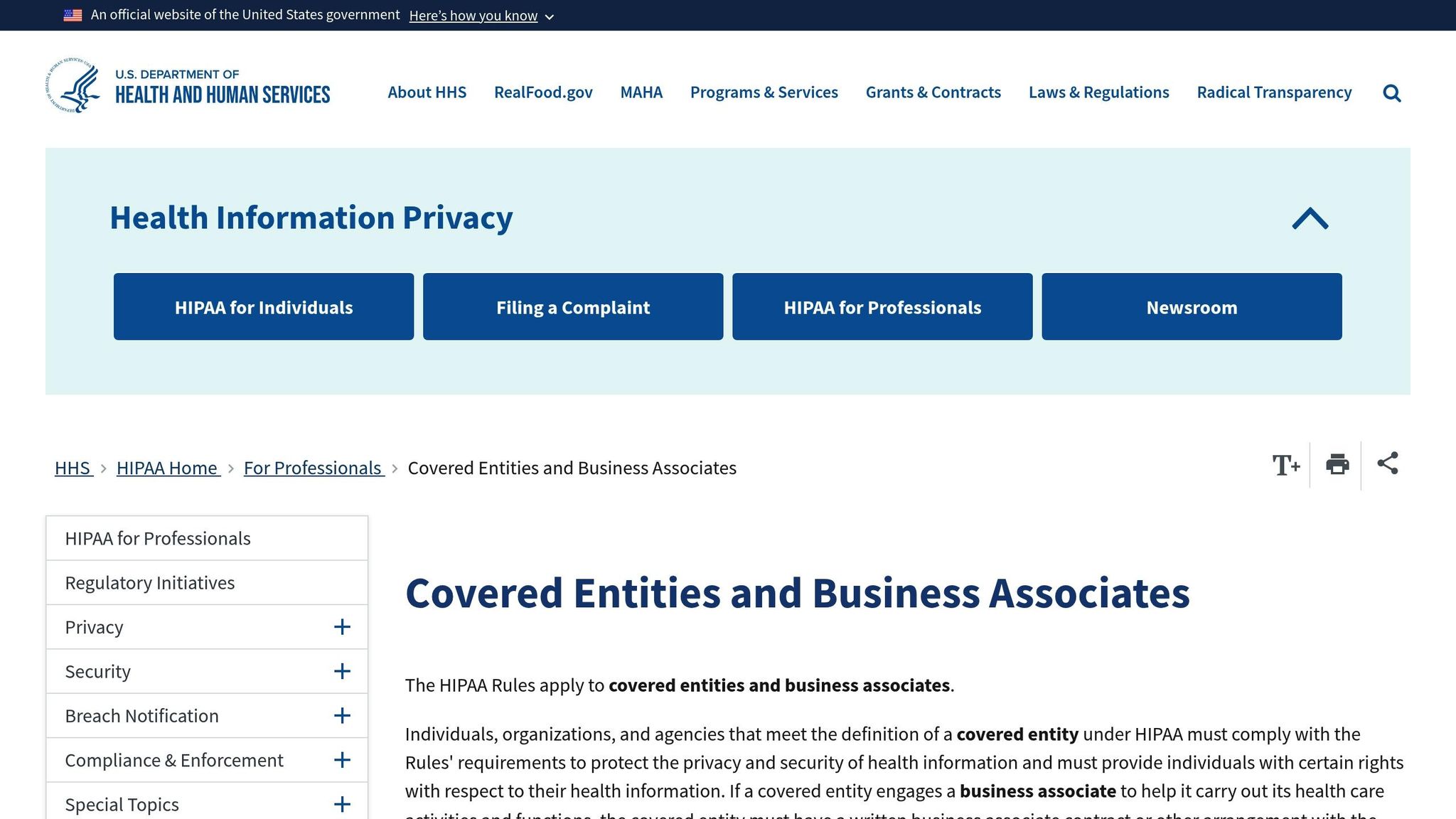
One of the first tasks for legal counsel is distinguishing between a security incident and a breach, as this determines whether HIPAA notification requirements are triggered.
"An incident is like someone rattling your door handle; a breach is when they actually get inside."
– J. Eduardo Campos, Embedded-Knowledge, Inc. [12]
This distinction is essential, as HIPAA notification rules apply only when a breach occurs. Legal counsel evaluates the specifics of the case to determine if Electronic Protected Health Information (ePHI) has been compromised, aligning their analysis with HIPAA’s Privacy, Security, and Breach Notification Rules [11]. They also review Business Associate Agreements (BAAs) with third-party vendors and document security measures to ensure a defensible response to regulators [10][11].
OCR audits frequently highlight shortcomings in risk analysis and management practices [11].
"Risk analysis continues to be a significant weakness among many regulated organizations of all sizes... Poor risk analysis practices persist as a major contributing factor to many significant breaches reported to the agency."
– Melanie Fontes Rainer, Director of HHS' Office for Civil Rights [11]
To address these challenges, legal counsel assembles a response team that includes privacy and security officials, compliance officers, and both internal and external legal advisors. A single point of contact is designated to oversee all audit-related communication, ensuring consistency [11]. When responding to OCR desk audits, counsel advises providing only the requested information to avoid unnecessary complications [11].
For organizations in healthcare, tools like Censinet RiskOps™ can simplify the process by documenting and tracking third-party vendor relationships, risk assessments, and compliance activities. This creates an audit trail that legal teams can reference when demonstrating compliance to OCR or other regulatory bodies.
Overseeing Breach Notifications to Regulators and Affected Parties
Once HIPAA guidelines have been applied to assess the incident, legal counsel shifts focus to managing the complex requirements for breach notifications. Building on earlier steps to preserve legal protections, counsel crafts notifications that meet diverse regulatory and contractual obligations.
Legal teams identify the relevant state breach notification laws for each affected individual [6]. Notification deadlines vary significantly: GDPR requires notification within 72 hours, HIPAA allows up to 60 days but mandates action "without unreasonable delay", and DFARS for defense contractors also requires reporting within 72 hours [13]. Public companies face additional pressure, as the SEC mandates disclosure of material incidents within four business days [13].
| Regulation | Notification Deadline | Trigger |
|---|---|---|
| DFARS | 72 Hours | Discovery of incident affecting covered systems [13] |
| NY DFS | 72 Hours | Determination that a cybersecurity incident occurred [13] |
| SEC | 4 Business Days | Determination that the incident is material [13] |
| HIPAA | Max 60 Days | Discovery of breach (must be "without unreasonable delay") [13] |
"Missing a deadline is way worse than sending a carefully limited early notice."
– Aeren LPO [6]
Crafting notification letters is a delicate process. These letters must meet legal requirements - explaining the incident and the data involved - while also mitigating the risk of future class-action lawsuits [6]. With class-action firms often filing complaints within days of a public breach disclosure, the language in these letters can be critical for defense [6]. Legal teams ensure that statements made to regulators, affected individuals, the media, and internal stakeholders remain consistent, avoiding contradictions that could lead to litigation [6].
Counsel also determines the best strategy for engaging with regulators. Depending on the enforcement risk, they may choose a cooperative, detailed briefing or provide only minimal information [6]. For instance, while the HHS Office of Civil Rights investigates only about 5% of reported HIPAA breaches [6], major penalties are typically pursued only in cases of systemic non-compliance [6].
Legal teams also involve cyber insurance counsel early in the process, as most policies require immediate notice and adherence to specific procedures to cover forensic and notification costs [6]. Forensic investigators work alongside counsel to accurately define the breach's scope and ensure that notifications only include necessary information [10].
How Legal Counsel Coordinates Incident Response Teams
Once compliance obligations and notification strategies are in place, legal counsel takes on the critical role of managing the larger incident response team. Handling a cybersecurity incident involves bringing together experts from various fields - like forensic investigators, IT specialists, public relations teams, and insurance providers. These groups must work as a cohesive unit to contain the breach while also safeguarding the organization’s legal standing. Legal counsel ensures that technical fixes align with the legal protections established earlier. Often, external legal counsel acts as the "conductor of an orchestra" or the "quarterback" of the response effort, ensuring all team members are in sync on matters of legal significance [15]. The first 72 hours after a cyber incident are particularly crucial for triaging the situation, implementing fixes, and preserving legal protections [4].
"External counsel... are like the conductors of an orchestra. The role of external counsel is to make sure all incident response team members are aligned and working in harmony on matter of legal importance."
– Pádraig Walsh, Partner, Tanner De Witt [15]
One of the first steps counsel takes is organizing a "scoping call" immediately after the incident is discovered. This call ensures that all involved vendors and team members have a shared understanding of the breach’s scope and can provide initial advice [1]. This early alignment sets the stage for effective forensic collaboration and clear legal guidance as the investigation progresses.
Working with Forensic Teams to Assess Breach Scope
After coordinating the response team, legal counsel works closely with forensic experts to determine the full extent of the breach. By adopting an "arm-in-arm" approach, legal counsel ensures that investigative findings are protected under attorney-client privilege or the Kovel doctrine [1]. Instead of relying on IT departments to engage forensic firms through pre-existing contracts, counsel retains these firms under separate, incident-specific agreements. This distinction is key to safeguarding privileged information.
"If we engage technical advisors to work arm-and-arm with us, the combined advice is arguably all protected as privileged."
– Eric S. Charleston and Daniel J. Michaluk, National Co-Leaders, Privacy & Cybersecurity, BLG [1]
Legal counsel also employs a dual-track strategy that separates operational recovery efforts from legally focused fact-gathering. This ensures that while systems are being restored, the legal team is building a defensible record of events [1]. Early collaboration between technical teams and legal counsel is vital to ensure that both operational and legal needs are met.
"Working closely together from the outset ensures that decisions can be made in a timely manner, and that we can give them the direction and advice they need."
– Emma Jones, Global Manager, Cyber Incident Response Readiness, CrowdStrike [3]
Guiding Risk Prioritization and Mitigation Efforts
With a clear understanding of the breach’s scope, legal counsel shifts focus to prioritizing risks and addressing regulatory and reputational concerns. While technical teams concentrate on containment and recovery, legal counsel ensures that broader implications - like regulatory compliance, potential lawsuits, and public perception - are also considered. Acting as the main point of contact for external stakeholders, such as law enforcement, insurance companies, and regulators, legal counsel allows technical teams to stay focused on their core responsibilities [3]. This role becomes especially critical during ransomware incidents, where legal counsel must first verify that any negotiations with threat actors comply with U.S. Office of Foreign Assets Control (OFAC) guidelines to avoid anti-money laundering violations [16].
For industries like healthcare, where vendor ecosystems are often complex, platforms like Censinet RiskOps™ help streamline coordination. These tools provide a centralized view of third-party relationships, risk evaluations, and compliance activities. This documentation helps legal teams quickly identify which vendors were involved, what data they accessed, and whether proper agreements were in place.
Legal counsel also implements strict distribution controls to limit the circulation of sensitive legal and forensic reports. Only a select "need-to-know" group receives these detailed documents, while broader business stakeholders are provided with non-privileged executive summaries [1]. For the most sensitive findings, oral briefings are often preferred over written reports to minimize the risk of creating documents that could be misinterpreted or misused in legal proceedings [1].
Legal Counsel's Responsibilities After the Incident
Managing Regulatory Investigations and Compliance Reviews
Once the initial breach response shifts from containment to long-term strategies, legal counsel takes the lead in managing regulatory inquiries and ensuring compliance. Agencies like the SEC, FINRA, and various state financial services departments often send detailed questionnaires about the breach, its timeline, and security protocols in place [17]. Legal counsel works closely with technical teams to prepare accurate responses, carefully balancing transparency with the protection of privileged information.
The previously discussed dual-track model ensures legal findings remain safeguarded. While one track focuses on restoring business operations, the legal track gathers evidence specifically for regulatory defense and litigation preparation [4].
"The strongest privilege and work‑product positions arise when companies can show that outside counsel retained and directed a distinct investigative track whose outputs are tailored to legal advice and anticipated litigation..." – Shumaker, Loop & Kendrick, LLP [4]
Jurisdictions impose varying notification deadlines. For example, under GDPR, breaches must be reported to supervisory authorities within 72 hours of discovery [8]. The SEC requires disclosure of material incidents within four business days after determining materiality [8], while the FTC Health Breach Notification Rule mandates healthcare organizations notify the media and FTC within 60 days for breaches affecting 500 or more individuals [8]. Legal counsel ensures these deadlines are tracked and met.
Beyond immediate compliance, legal counsel conducts a root cause analysis to refine internal policies and demonstrate diligence. For healthcare entities, platforms like Censinet RiskOps™ can simplify the documentation and coordination required for regulatory reviews.
Once compliance obligations are addressed, counsel turns attention toward preparing for potential litigation.
Preparing for Litigation and Reducing Legal Risks
With privilege protections and incident documentation established, legal counsel shifts focus to minimizing exposure to litigation. The rise in cyber extortion cases and tighter data regulations has significantly increased data breach lawsuits, often extending legal costs far beyond the technical response [14].
Courts frequently examine whether incident response reports were created for legal advice or as part of routine business operations [4]. To strengthen privilege claims, legal counsel directs investigations through agreements funded by the legal budget, rather than IT, and may use Rule 502(d) orders to limit the risk of waiving privilege [4].
"A cyber incident isn't just a technical issue. It's a legal one, too. Especially when customer data, contracts, or regulatory obligations are involved." – Mindcore [2]
Legal counsel also reviews contracts and cyber insurance policies to clarify liability limits and identify recovery opportunities. If a third-party vendor's failure contributed to the breach, counsel evaluates whether claims under contract or tort can recover costs like legal fees, forensic investigations, remediation, or even ransom payments [16]. Between July 2024 and June 2025, ransomware incidents rose by 25%, with February 2025 recording 1,000 attacks - the highest monthly total ever [16]. These statistics highlight the importance of clear contracts and recovery strategies.
Finally, post-incident reviews help identify systemic vulnerabilities and policy gaps that could increase future legal risks. Including legal teams in these debriefs fosters open communication between technical and business teams, ensuring lessons learned are integrated into future processes and agreements [3].
Conclusion
Legal counsel now plays a central role in coordinating cybersecurity incident responses. From the moment a breach is identified, legal teams step in to safeguard attorney-client privilege, navigate intricate regulations like HIPAA and the FTC Health Breach Notification Rule, and ensure all actions are well-documented and defensible.
The rising number of breaches in healthcare underscores the growing legal complexities in cybersecurity. These trends highlight the mounting stakes for organizations managing sensitive patient data.
Once the immediate crisis is under control, legal teams turn their attention to long-term challenges. They handle regulatory investigations, insurance claims, and potential class-action lawsuits, balancing technical recovery with broader business risks. By protecting forensic findings and ensuring public communications don’t inadvertently increase liability, they serve as a critical bridge between technical and strategic responses. Including legal counsel in annual tabletop exercises can strengthen incident response plans, making them more defensible and effective over time.
"Legal counsel is uniquely equipped to serve as a non-technical incident coordinator... ensuring the broader strategic response is coherent, compliant, and defensible." – Emma Jones, Global Manager, Cyber Incident Response Readiness, CrowdStrike [3]
For healthcare organizations managing sensitive patient data, platforms like Censinet RiskOps™ simplify compliance and documentation processes needed for regulatory scrutiny. By embedding legal expertise into every phase - from planning to post-breach analysis - healthcare entities can minimize fines, reduce litigation risks, and build stronger defenses against future threats.
The takeaway: legal counsel doesn’t just react to incidents - they actively shape an organization’s ability to withstand and adapt to future security challenges.
FAQs
How do we determine if an event is a HIPAA breach or just a security incident?
A HIPAA breach occurs when there’s an unauthorized use or disclosure of protected health information (PHI) that jeopardizes patient privacy. Such breaches come with strict reporting obligations, including notifying affected individuals, the Department of Health and Human Services (HHS), and, in some cases, the media - all within specific deadlines.
On the other hand, a security incident doesn’t always meet the criteria for a breach. If the incident doesn’t lead to unauthorized access to PHI or can be effectively contained without compromising privacy, it typically doesn’t require formal notifications.
How can we keep forensic findings protected by attorney-client privilege?
To safeguard forensic findings under attorney-client privilege, it's crucial to have investigations directed by outside legal counsel. Any communications or reports should be prepared explicitly for the purpose of securing legal advice. Be cautious about sharing information that isn't privileged, as it could become accessible during discovery or regulatory reviews. Setting up the process correctly from the beginning is key to preserving privilege.
What breach notification deadlines apply when multiple laws overlap?
When several laws are in play, organizations are required to adhere to the most stringent or shortest breach notification timelines. These deadlines can vary widely, typically ranging from 30 to 90 days. For instance, HIPAA mandates notification within 60 days, while certain U.S. state laws demand notification in as little as 30 days. It's crucial to carefully review the specific requirements of each applicable law to ensure compliance.
